A new water heater lands on a dented shell and the question nobody prepared for becomes “do I accept that?” An anode rod is ten years old and the question becomes “how worn should it be by now?” A dryer that’s been quiet for years gets a new noise and the question becomes “was it always like that?”
All three are the same question, and none of them can be answered from the day you ask it. “Is this normal?” needs a baseline — a photo from install day, a note of when the last check was, a memory of what the quiet sound was. The schedule below is the list of checks grouped by how often they come round. The record is the small thing that turns each check from a guess into a comparison.
How often should you do home maintenance?
On a handful of rhythms, at once: a monthly ten-minute walk, a seasonal pass before and after the cold months, a yearly round for the things that wear out quietly, and a check every few years when end-of-life dates come round — plus a look whenever something suddenly changes. That is the whole system, and it is deliberately a rhythm list, not a spec: the manual for each appliance sets its own intervals, and this list is the common shape of them.
Do this once: build the house file
Before the schedule starts, build the baseline it compares against. An hour of this work pays off at every later check.
- Photograph every rating plate. Water heater or boiler, furnace or heat pump, dryer, washer, fridge: model, serial, and often a manufacture date. Close-up, readable, dated.
- Collect the manuals. Most are downloadable PDFs once you have the model number.
- Note where the shutoffs are. Water main, gas, the electrical panel — the locations, not the procedure for them.
- Note filter sizes, so a replacement is a ten-minute trip, not a search.
- Write the install date on a label next to each major unit.
A new appliance: check it before the installer leaves
The dented-new-heater question has one right answer that costs nothing: look at the unit before the installer leaves. Photograph any dent, scrape or leak, with the date, and raise it with the installer or the supplier then and there. A photo and a date change that conversation from argument to paperwork. Warranty terms vary by maker and by what the damage is, so ask before you accept rather than assuming. Keep the receipt and register the warranty if the maker asks.
The first walk-through in moving into a fixer-upper is where this baseline starts for a house you’ve just bought.
Monthly: the ten-minute walk
This is the whole monthly round. It exists so that nothing gets a chance to become a surprise.
- Press the test button on every smoke and CO alarm. Ten seconds each.
- Look at the furnace or HVAC filter and change it when it’s dirty, or at the interval printed on the filter’s packaging.
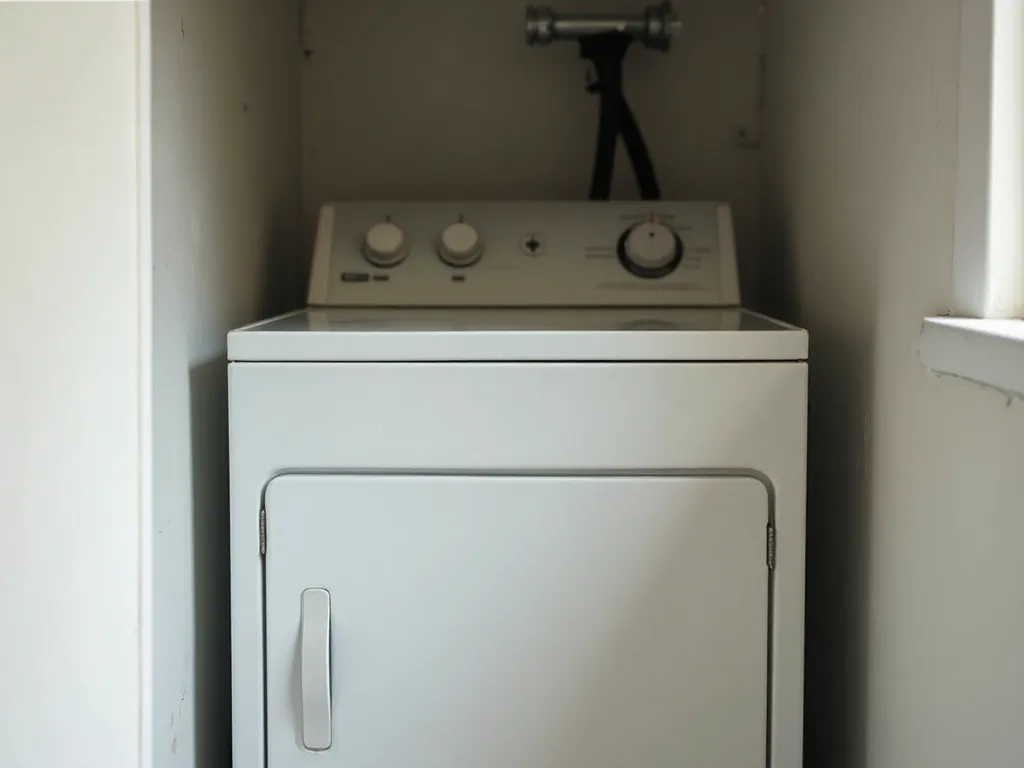
- Clean the dryer lint filter every load, not monthly. Say it out loud in your head once, because it is the one item on this list that does not wait for the month.
- Look under the sinks and around the water heater base for drips, standing water or rust.
- Press the GFCI/RCD test buttons (the reset-and-test plug outlets) at the interval their label or manual gives. Anything beyond the button is an electrician’s job.
Seasonal: before the cold and after it
Phrase it by season, because the cold season is a different calendar in every hemisphere.
- Gutters and downspouts, more often under trees. Look from the ground; roof and ladder work at height is a job for someone who does it for a living.
- The ground around the foundation should slope away from the house, not toward it.
- Disconnect outdoor hoses and shut off or drain outdoor taps before freezing weather, in places where freezes happen.
- Book the heating service ahead of the cold, not into it.
- Check door and window seals for drafts.
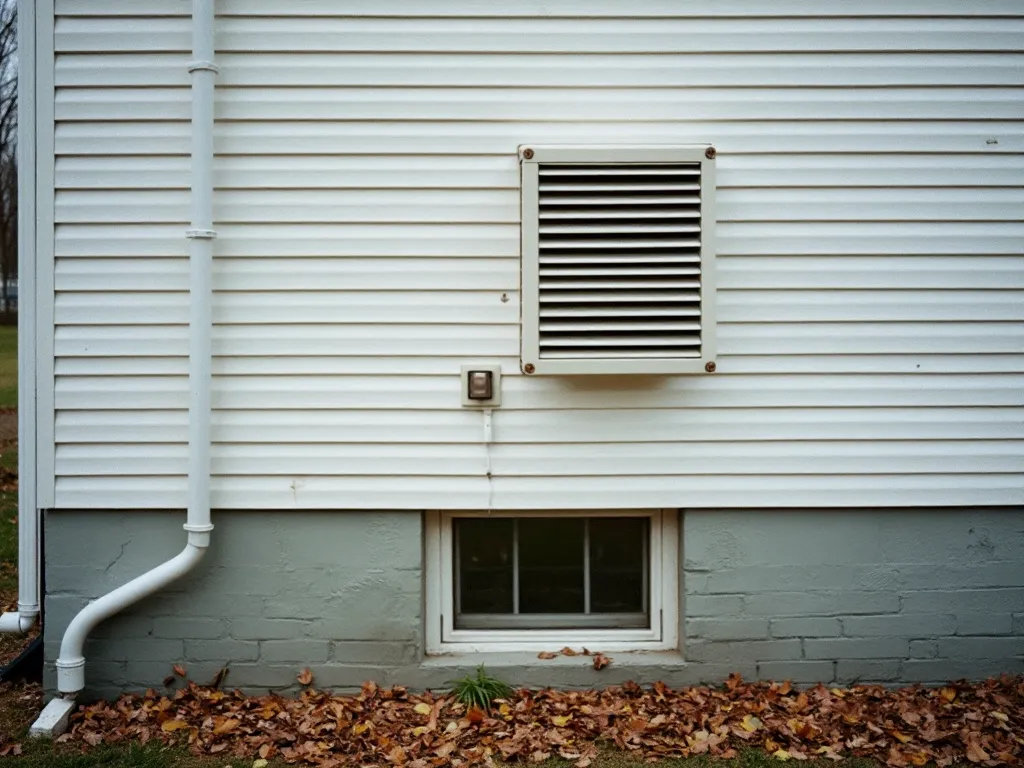
- Watch the outside dryer vent flap open while the dryer runs.
One market note, because the heating side differs a lot by country: a forced-air furnace with a filter is the common picture in North America. Much of Europe and the UK heats with boilers and radiators, so the seasonal round there means bleeding the radiators and getting the boiler serviced instead. And in some places, landlords are legally required to have gas appliances checked each year — check your local rules, because this one varies.
Once a year: the things that wear out quietly
The water heater
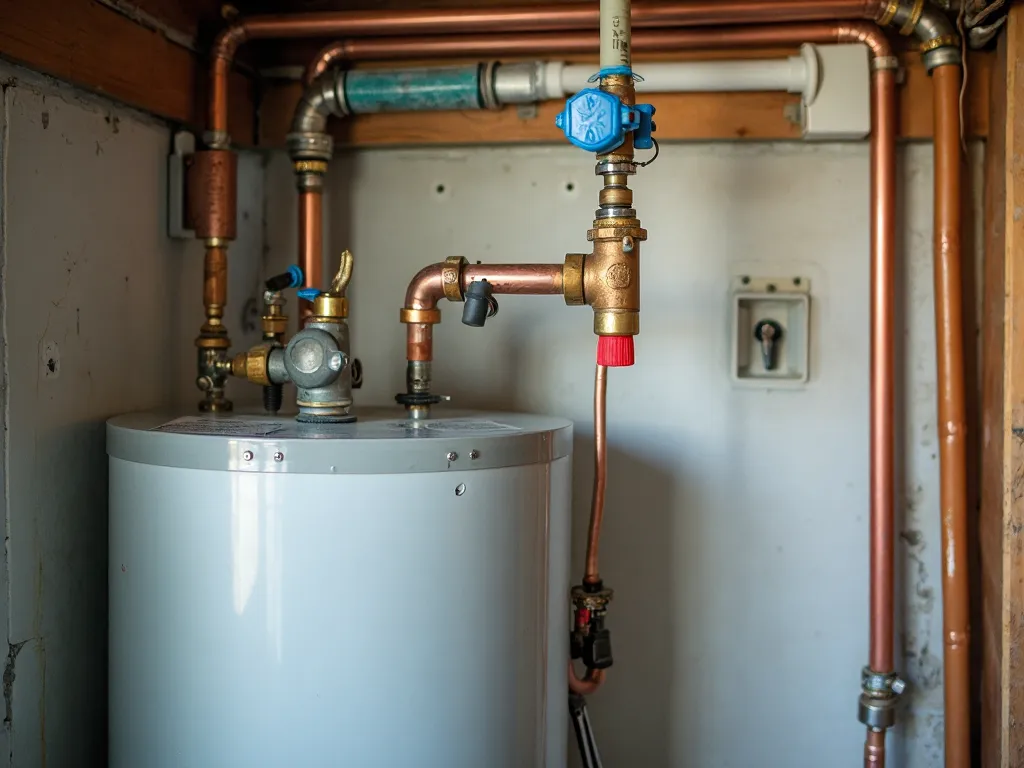
For a tank heater, the yearly round has two parts, if the manual calls for them: a flush for the sediment that settles at the bottom, and a lift of the temperature-and-pressure relief valve lever so it doesn’t seize. The water through that valve is scalding, so put a bucket under it — and a valve that won’t reseat, or that keeps dripping after you release it, is a call for a plumber, not a second try.
Then the anode rod, the part the ten-year-old-anode question is really about. It is a sacrificial metal bar that corrodes in place of the tank. Inspect it somewhere between yearly and every few years, whatever the manual sets; softened water uses it up faster than hard water. It is due for replacement when the steel core starts showing through. The honest read of an eaten-away anode after a decade is that it did its job — the miss was a decade of never looking. Pulling it out can be a tight, heavy job, so handing it to a plumber is reasonable, not lazy.
Market note: the anode is a tank-heater part, common in North America. A tankless heater or a combi-boiler home skips it. In the UK, unvented hot-water cylinders generally get a yearly service from a qualified installer — check your installer’s advice.
The dryer vent duct
The lint filter is every load; the duct is once a year at least, more with heavy use or a long run. A clogged duct is the classic slow fire risk behind a wall, so it earns the yearly spot. A gas dryer needs a professional for anything past the vent itself.
Hoses, seals and valves
- Washing machine hoses: look for bulges or cracks.
- Caulk and grout around the tub and shower: look for gaps that let water in.
- Turn the main water shutoff once, so you know it moves. A valve that has never turned can seize — and if it is stiff, that is a plumber’s job, not a wrench’s.
Every few years: the replacements you can see coming
- Alarms have an end-of-life date. Most smoke alarms are meant to be replaced after about ten years and CO alarms sooner, but the date is printed on the alarm — read the label, that is the authority.
- The anode goes here when it is past inspection and needs replacing.
- The big ones: the house file’s install dates tell you what is coming. A water heater, a roof, a furnace — each has a working life, and seeing it coming a year early is the difference between a budgeted line and a shock. That is the same thinking as how to budget a home renovation, applied to the house that is already built: known future costs, planned, instead of surprises.
When something suddenly changes: noises, smells and drips
The schedule catches the slow things. The sudden things — a new noise, a smell, a drip you’ve never seen — need a different move, and the move is the same every time.
- Is it unsafe? A gas smell, a burning smell, scorching or sparks mean switch it off. For gas, leave and call the gas supplier or your local emergency line, following local guidance.
- Record it. A short video with sound, the date, and when it happens — at start-up, only on heat, only with a big load.
- Do the obvious owner checks: the lint filter, and whether the duct behind the machine is crushed or kinked.
- Call the right trade with the record in hand, because a specific record gets a specific answer.
Do not diagnose from the sound. The DIY versus hiring a pro framework is the one that decides who actually fixes it.
How to keep a maintenance record you’ll actually use
The format is one line per check: date · item · what you did · what you found · photo · next due. Keep it short enough that you’ll actually fill it in.
A worked example, clearly made up: the house file says the water heater went in seven years ago. This year’s anode check finds it roughly half gone. So you log it — date, a photo of the rod, “anode about half used up, core starting to show” — and set the next check for a year instead of three. Next year’s photo then answers the “how worn should it be by now?” question before you ever have to ask it, and you already have the answer. An anode is a small part next to the cost of a new tank; the record is what makes you replace it on time instead of when the tank fails.
The same dated trail serves documenting a renovation for insurance — the photos and records an insurer or a buyer asks for are the ones you kept along the way, not the ones you rebuild after.

Start this weekend
This weekend, three small jobs: photograph three rating plates (heater, furnace, dryer), find the main water shutoff and check it turns (if it is stiff, leave it for a plumber), and put the next four checks in a calendar. The schedule is the list; the record is the thing that makes it work.
If you want the log, the photos and the receipts in one place with a date on each, Home Stories is a free app for iPhone and iPad that does it without an account.
Frequently asked questions
How often should you do home maintenance?
There is no single interval. Run a few rhythms at once: a short monthly walk (test the alarms, check the filter, look under the sinks), a seasonal pass before and after the cold months (gutters, hoses, heating service), a yearly round for the things that wear out quietly (water heater flush and valve, dryer vent duct, hoses and seals), and a pass every few years when end-of-life dates on alarms come round. Your appliances' manuals override any generic list, and anything that suddenly changes — a new noise, a smell, a drip — gets checked and recorded straight away, not on the schedule.
How often should I check the anode rod in my water heater?
If you have a tank water heater, the anode rod is a sacrificial part that corrodes so the tank doesn't. Inspect it somewhere between yearly and every few years, depending on what the heater's manual says; softened water uses it up faster. It is due for replacement when the steel core starts showing through. An anode that looks heavily eaten away after a decade is doing its job — the problem was going a decade without looking. Removing it can be a tight, heavy job, so a plumber is a reasonable call. Tankless heaters and combi boilers don't have one.
Should I accept damage on a new water heater?
Look it over before the installer leaves, not after the lorry has gone. Photograph any dents, scrapes or leaks with the date on the photo, and raise them with the installer or supplier then and there — a photo and a date make that conversation much easier. Warranty terms vary by maker and by what the damage is, so ask before you accept rather than assuming a dent voids anything. Keep the receipt and register the warranty if the maker asks you to.
Why is my dryer suddenly loud when I turn it on?
You usually can't diagnose it from the sound alone, and guessing is the wrong first move. The working routine is: make sure it isn't unsafe (a gas smell or burning smell means switch it off and get help), record it (a short video with sound, the date, and when it happens — start-up, heat, big loads), do the obvious owner checks (the lint filter, and whether the duct behind the machine is crushed), then call the right trade with the record in hand. 'It squeals for the first thirty seconds on start-up, video attached' gets a better answer than 'it's loud'.
How often should I flush my water heater?
For a tank heater, once a year is a common rhythm — it keeps sediment from building up at the bottom — and the same yearly pass is when to lift the temperature-and-pressure relief valve lever if your manual calls for it, so it doesn't seize. Check your heater's manual, because it can set a different interval. The water through the valve is scalding, so put a bucket under it, and if the valve will not reseat or keeps dripping after the test, that is a plumber's job, not a retry.
What's the easiest way to keep a home maintenance record?
One line per check: date, item, what you did, what you found, a photo, and when the next one is due. A notebook by the panel, a spreadsheet, or recurring calendar events all work — the record only has to beat nothing, and a photo you can compare next year beats a memory. Keep it where you'll actually open it: next to the thing it describes, not in a drawer.
Keep reading
How to Document Your Home Renovation for Insurance
What a renovation insurance claim actually needs: the photo timeline, the paper trail, and the honest disclosure most people forget — all before you need it.
How to Budget a Home Renovation: 7 Steps to an Honest Budget
How to budget a home renovation — 7 steps to build an honest budget that covers scope, contingency, and every hidden cost.
Moving Into a Fixer-Upper: The First Month, in Order
Moving into a fixer upper? The first-month must-do order — what to fix before you live in it, what to inspect, and what to leave for later.