How Long Does a Bathroom Renovation Take? Realistic Ranges by Scope
A bathroom renovation takes three to six weeks on site for a refresh that keeps the existing plumbing, or eight to twelve weeks for a full gut with fixtures relocated. Add two to four weeks of design and permitting first. Custom shower pan fabrication and tile cure time are the delays early estimates miss.
At a glance
| Scope | On-site time | Design, permits & ordering | Realistic total |
|---|---|---|---|
| Refresh — same layout, plumbing stays put | 3–6 weeks | 2–4 weeks | 5–10 weeks |
| Full gut — walls opened, fixtures relocated | 8–12 weeks | 2–4 weeks | 10–16 weeks |
Ask a contractor how long a bathroom renovation takes and you’ll get a number. Ask them how long it took last time and they’ll tell you how the number drifted.
The honest answer is a range, and the range is determined by what happens behind the tiles, not what you picked out at the showroom. You can spend three weekends poring over grout samples, but the thing that will actually determine whether your project finishes in six weeks or twelve is whether they find water damage behind the old tub once the plumber pulls it off the wall.
Here’s what those ranges look like, what the time is actually spent on, and what makes any given project run long.
The two most common ranges
A straightforward refresh — three to six weeks on site. This is keeping the same layout: new vanity, new toilet, new fixtures, new tile around the shower or tub, new paint, new flooring. Nothing moves. The trades are fairly sequential — demo, then plumber and electrician rough-in, then tile and fixtures, then paint and trim. Nothing surprises.
A full gut renovation — eight to twelve weeks on site. This is knocking out walls, moving plumbing and electrical, a new custom shower layout, a freestanding tub in a spot it never sat before. Now you’re looking at structural work, new inspections, a different sequence of trades, and more opportunities for things to go sideways once the demo starts.
Neither of these numbers includes the design and permitting phase that happens before the first hammer swings. Add two to four weeks for that — your local building office, drawing up the plans, getting approved. Most renovators under-count this phase dramatically because it feels like “just planning” rather than actual work. It isn’t. It’s the work that determines whether everything else proceeds on schedule.
If you’re new to managing a home renovation at all, a step-by-step planning guide walks through the full process from initial sketch to the first day of demolition, including the decisions you need to make and in what order.
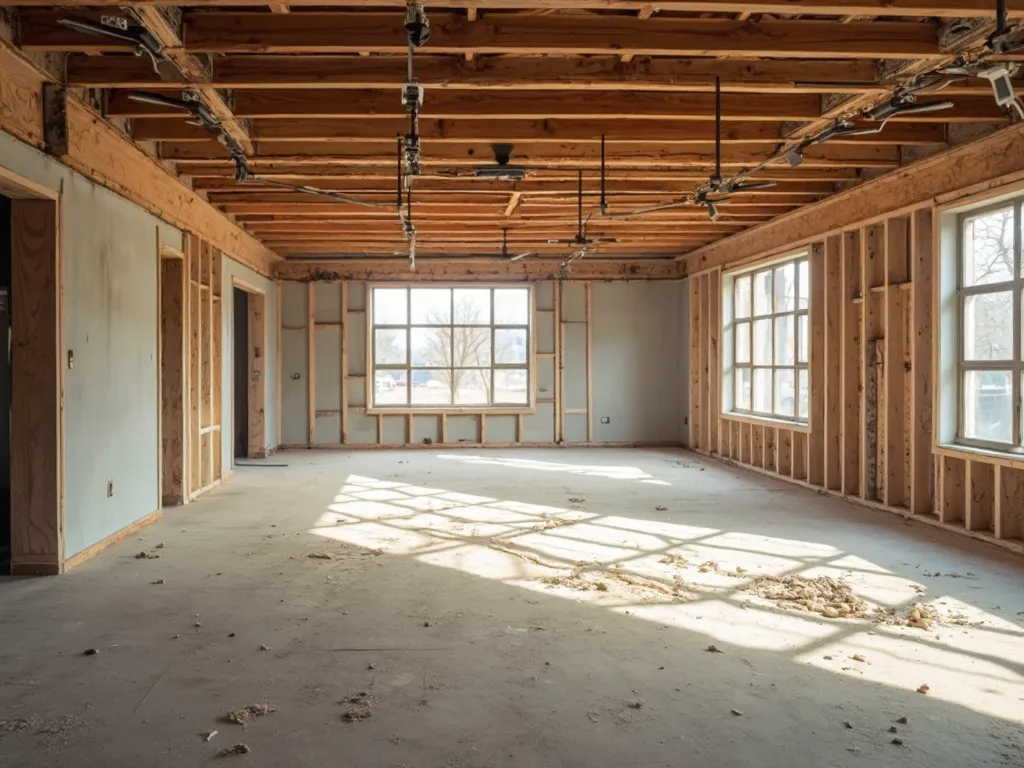
The visible transformation happens during the middle weeks — but what happens before and after often takes longer than the installation itself.
What the weeks are actually spent on
A bathroom renovation isn’t one continuous block of hammering and screwing. It’s a chain of phases, some fast and loud, some slow and invisible, and the gaps between them are where projects lose months.
Weeks 1–2: demolition, rough-in, inspections. This is the loud, messy phase. Old tile gets chipped off the walls, the vanity comes down, the toilet is yanked from the flange, and the old shower is pulled apart. The walls open up — and this is where surprises tend to appear. Old wiring that doesn’t meet code. Water damage behind the tub that nobody could see from the surface. A plumbing line that was routed through the ceiling instead of through a chase in the wall.
Once the rough work is done, an inspector needs to sign off before the walls can close up. If everything passes — and a lot of projects don’t the first time — you’re looking at three to five days of actual work. The time is spent waiting.
Weeks 3–5: tile, fixtures, shower build-out. This is where the room starts to look like a bathroom again. The shower pan goes down — either a preformed acrylic base or a custom mud pan built by hand. The walls get waterproofed. Then the tile goes up, one row at a time.
Tile work is slower than most people expect. It isn’t just laying tiles — it’s measuring, cutting around outlets and pipes, spacing with clamps, making sure the pattern stays square across the whole room. A small bathroom with a standard layout might take three to four days of actual tiling. A large master bath with a custom shower surround and decorative tile inlays can take a week or more.
Then comes the grout, and then the cure time. Grout is wet cement, basically. Most products need forty-eight hours before anything gets walked on it, and another twenty-four before it’s fully cured enough to seal. Nobody counts this because it’s not “work” — the room just sits. But those days are real days, and they’re why bathroom renovations are rarely finished in the two weeks people imagine.
Weeks 6–8: finishes, paint, fixtures, punch list. The vanity goes in, the toilet is reinstalled on a new wax ring, the faucet and shower trim get bolted to the rough-in valves. The floor tile gets laid. The walls get painted. The caulk goes in. The mirror and lighting fixtures are mounted.
This phase is deceptively short in estimates because it feels like “just finishing stuff.” But it’s full of small decisions that take time: which caulk colour matches the grout, whether the towel bar goes on the left or the right, whether the exhaust fan vent goes up through the ceiling or out the side wall. Each small decision is quick when you’ve made it. It’s agonising when you haven’t.
What makes a bathroom renovation run long
The bathroom renovation is one of the most compact projects in the house — you’re working in a small footprint — but it’s also one of the densest. Everything important for a home is concentrated in a room that’s usually twelve to twenty square metres: hot water, electrical circuits, drainage, ventilation, structural supports. Move anything, and the ripple effects show up later.
Custom fabrication is the single longest lead item. Unlike a kitchen where you order cabinets that arrive in a predictable window, a bathroom has a dozen small things that might be special-ordered: a custom shower pan for a non-rectangular shower, a niche cut into the shower wall, a vanity in a specific wood species that isn’t a stock item, a freestanding tub that needs a specific floor drain position. None of these are individually surprising. Put them all together and you’re looking at four to six weeks of items arriving at different times over those six weeks.
Tile is a slow medium. Tile doesn’t arrive in a single delivery and snap into place. It’s measured, cut, grouted, sealed, and cured — each step waiting on the previous. A floor that could be poured in a day takes a week to install because it has to cure between steps. This is true whether you’re a professional or a determined DIYer.
Water damage is the universal wildcard. You can’t know what’s behind the drywall until it’s open. A bathroom that looks pristine from the surface may have thirty years of slow moisture seepage into the subfloor. When that shows up, you’ve got a choice: patch what you can and move on, or tear out the rotted section and replace it. The second option adds a day or two to the timeline and a few hundred to the budget. The first option is a problem that shows up again in two years.
The second-bathroom squeeze. If you have another bathroom in the house, the renovation usually gets squeezed into the weeks when the second bathroom is temporarily out of commission too — which means the household operates with one bathroom for maybe two to three weeks. That’s manageable. But if you need the second bathroom and it’s also scheduled for work that week, suddenly you’re planning around a very different set of constraints.
What the time is actually spent on (a quick walk-through)
It helps to see the schedule in the actual sequence, because the bathroom renovation has a rhythm that’s different from, say, a kitchen renovation where the cabinet delivery dominates everything. The bathroom renovation order post walks through the full sequence phase by phase — not just duration, but what each phase actually involves and why the order matters.
The kitchen renovation duration post walks through a full renovation week by week and shows how the phases connect — the plumbing and electrical rough-in that has to happen before the walls close, the inspection that holds up everything until it passes, the gap between demo and when the room is actually functional. A bathroom follows a similar pattern, just compressed: the same sequence of trades, the same waiting game, the same surprise discoveries behind the walls.
Days 1–3: demo and assessment. The old stuff comes out. The contractor and possibly you walk through what you’ve found — and this is the moment where the timeline gets adjusted. If everything is clean and straightforward, you’re on the fast track. If there’s water damage or code violations, you now know before you’ve paid for weeks of idle waiting.
Days 4–10: rough-in and inspection. Plumbing lines run, electrical circuits extended, new vent lines tied in. The walls stay open for this — because they need to stay open while the inspector comes through. This is one of those phases where nothing looks like progress to the homeowner, but it’s the work that makes everything else possible.
Days 11–25: waterproofing and tiling. This is the longest single stretch and the most visible transformation. The shower gets waterproofed — membrane, corners, drains, every detail. Then the tile goes up. Floor tile, wall tile, the border you picked out six weeks ago. Each wall takes a day or two. The floor takes a day and then two days to cure.
Days 26–35: finishes and installation. Vanity mounted, toilet set, fixtures connected, mirror hung, paint touch-ups, caulk lines. The room goes from “construction site” to “bathroom” during this phase.
Days 36–42: punch list and final cleanup. Something’s never quite right. A tile edge that looks crooked in the light. A caulk line that’s too thick. The vanity drawer that sticks. These are the small things that matter to you but are invisible to anyone else. The punch list exists so they get fixed before the contractor walks away.

The last two weeks are always about small things — the things you notice the most once the room stops looking like a construction site.
Living through it
If this is your only bathroom, the renovation will feel like a significant life event. The demo phase alone — the sound, the dust, the loss of a functional bathroom — is enough to make most people reconsider. A plan for where the household does their morning routine during the three to six weeks of active work is worth having before the first tile comes off the wall.
If you have a second bathroom, life continues with minor inconvenience. You might need to share it, or one of you might take the guest bath. The louder phases (demo, tile cutting) are easiest to tolerate when there’s an alternative.
Setting up a simple budget tracker at the start helps because bathroom renovations are notorious for small additions that add up. A different tile than planned. An unexpected electrical run. A valve that doesn’t match the rough-in. Each one is manageable on its own; together they’re what turns a six-week project into an eight-week one.
Planning ahead, planning smart
The difference between a renovation that finishes on schedule and one that drifts has almost nothing to do with the speed of the trades. It’s about decisions made in advance:
- Lock every finish before demo. The grout colour, the tile pattern, the vanity style, the shower fixtures. Each mid-project change costs at least a day of waiting for a replacement or a special order.
- Order long-lead items first. The shower base, the vanity, any custom tile. These are the items that, if they arrive late, hold up the entire sequence.
- Build in a one-week buffer. Not because the work is slow — it’s not. Because the bathroom is dense with small decisions and small surprises, and a one-week buffer absorbs both without creating panic.
A note on tracking the project
A purely qualitative approach works too. A notebook on the toilet tank. A folder on your phone for receipts and photos. The tool doesn’t matter; the habit does. But a purpose-built tool keeps everything in one place so you can see the whole picture — budget, tasks, photos, receipts — without opening five different apps.
The bottom line
A bathroom renovation almost always takes longer than you think it will, and the difference is rarely a dramatic surprise. It’s the accumulation of things that nobody counts in the estimate: the days the room sits while grout cures, the week you wait for a custom shower pan, the gap between the plumber finishing and the tile setter arriving. Knowing what those gaps are — and planning for them — is the single most effective way to keep a renovation from turning into a months-long hostage situation.
Plan for the longer end of the range. Lock your decisions early. Order long-lead items before demo starts. And if you want to see how a similar project plays out week by week, the kitchen renovation timeline walks through the full sequence with the same kind of honest timing.
If you’re about to start a bathroom renovation and want a realistic picture of what’s ahead, the questions below should cover what most people want to know.
Sources and further reading
The ranges and guidance above are drawn from direct project experience and from the bodies below, which publish the underlying standards, rules and market data. They are worth reading directly before you commit money.
- Building regulations approval — GOV.UK
- How To Avoid a Home Improvement Scam — US Federal Trade Commission
Frequently asked questions
How long does a simple bathroom refresh take?
A refresh that keeps the same layout — replacing vanity, toilet, and fixtures without moving plumbing; new tile around the tub or shower; new paint and flooring — typically runs three to six weeks on site once work begins. The work itself moves fairly quickly. What eats time is the gap between trades waiting for each other: the tile setter can't start until the plumber and electrician are done, and the painter can't touch the room until the grout is fully cured.
How long does a full bathroom renovation take?
A full gut renovation — knocking out walls, moving plumbing and electrical, new shower pan, new fixtures and finishes — usually takes eight to twelve weeks from demo to punch list. If you include the design and permit phase that happens before the first hammer swings, you're looking at an additional two to four weeks. That puts a full renovation at roughly three to five months from decision to finished room.
What takes the longest in a bathroom renovation?
Custom shower pans or prefabricated shower bases with non-standard dimensions take the longest single wait — they're often fabricated to order and can take three to four weeks. After that, tile installation is the most labour-intensive phase, and the grout cure time nobody counts is usually one to two full days where the room just sits. Between those two, the gap between trades is where projects lose weeks.
Can I live in my house during a bathroom renovation?
Yes, most people do — if you have more than one bathroom. If this is your only bathroom, it gets harder fast. The moment the plumber pulls the toilet and the old shower, you've lost a functional bathroom. Most renovators who are down to one bathroom plan for a temporary arrangement: staying with family for the demo and rough-in weeks, or booking a short-term rental. If there's a second bathroom in the house, life continues with minor inconvenience during the louder weeks.
What usually causes a bathroom renovation to go over schedule?
Three things account for most overruns. Custom shower pan or niche delays are the most common and largely outside your control. Unexpected conditions behind walls — old wiring, water damage, structural problems — appear only once the demo starts and can add days or weeks. Permit or inspection delays that hold up the rough-in phase are another real contributor. A smaller but frequent cause is design changes mid-project: someone decides they want a different tile layout or a different shower door once the plumber has already run the lines.
Should I order tiles and fixtures before the renovation starts?
Yes. Tile, in particular, can have lead times that catch people off guard. A standard white subway tile from a big-box store may be ready in a week. A patterned or imported tile — especially if it's from Europe — can take six to ten weeks to arrive. Shower fixtures, especially low-flow or pressure-balanced valves, may need to be special-ordered. Order everything before the first demo day. If your contractor starts ripping out the old bathroom and your new shower valve hasn't arrived, you're sitting in a hole in the wall wondering what's next.
Keep reading
How Long Does a Kitchen Renovation Take? Realistic Time Ranges
How long does a kitchen renovation take? Realistic time ranges for a refresh through a full remodel, plus the delays that always creep in.
How to Plan a Home Renovation: 6 Phases from Idea to Handover
How to plan a home renovation — 6 phases from inspiration to handover, with what to track and watch for at each stage.
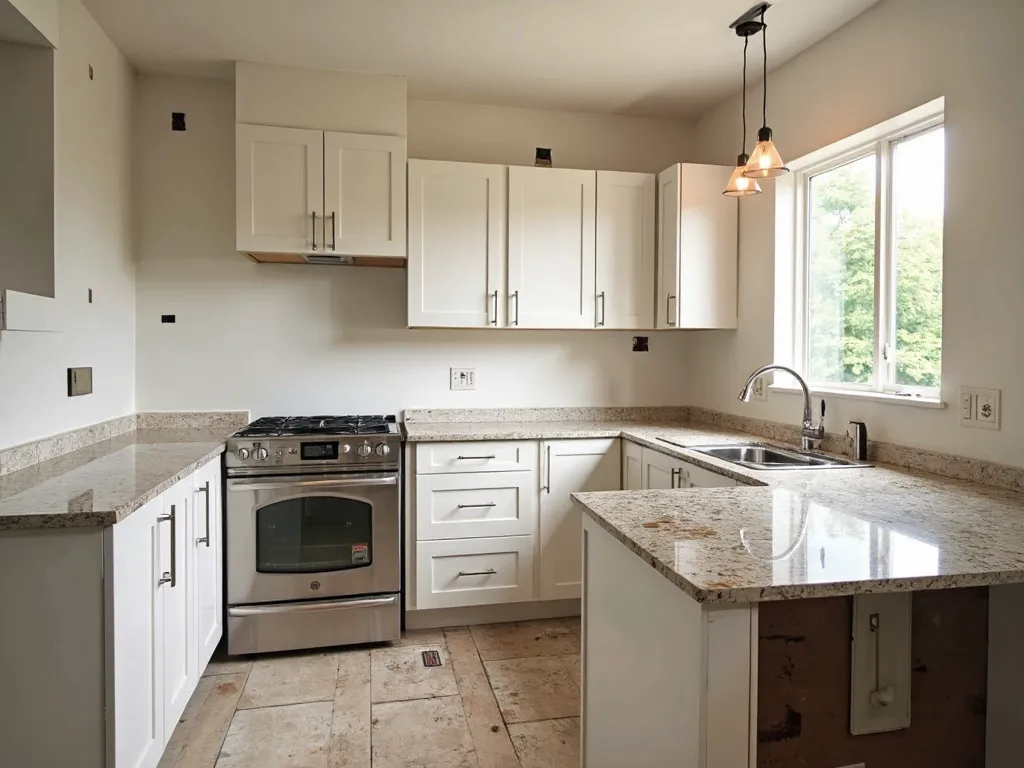
Kitchen Renovation Timeline: 8 Phases from Design to Handover
Kitchen renovation timeline — 8 realistic phases from design through to handover, with budget tips for each stage.