How Long Does a Kitchen Renovation Take? Realistic Time Ranges
A kitchen renovation takes four to eight weeks on site for a straightforward refresh that keeps the existing layout, or ten to sixteen weeks for a full gut with walls and services moved. Add four to eight weeks of design, permits and ordering first. Cabinet delivery, at eight to twelve weeks, usually sets the real finish date.
At a glance
| Scope | On-site time | Design, permits & ordering | Realistic total |
|---|---|---|---|
| Refresh — same layout, sink and services stay put | 4–8 weeks | 4–8 weeks | 8–16 weeks |
| Full gut — walls removed, plumbing and electrics moved | 10–16 weeks | 4–8 weeks | 14–24 weeks |
| Cabinet lead time (runs in parallel, but gates install) | — | 8–12 weeks custom or semi-custom | — |
Ask a contractor how long a kitchen renovation takes and you’ll get a number. Ask them how long it took last time and they’ll tell you how that number drifted.
The honest answer is a range, and the range is determined by what happens behind the cabinets, not what you picked out at the showroom. You can spend three weekends poring over tile samples, but the thing that will actually determine whether your project finishes in six weeks or sixteen is whether they find water damage behind the sink once the old cabinet comes off the wall.
Here’s what those ranges look like, what the time is actually spent on, and what makes any given project run long.
The two most common ranges
A straightforward refresh — four to eight weeks on site. This is keeping the same layout: new cabinets, new counters, new flooring, the sink stays where it is, the electrical stays in roughly the same spots. The trades are fairly sequential — demo, then electrical and plumbing rough-in, then cabinets and counters, then flooring, then paint and trim. Nothing moves; nothing surprises.
A full gut renovation — ten to sixteen weeks on site. This is knocking out walls, moving plumbing and electrical, getting a new island into the room, changing the floor plan. Now you’re looking at structural work, new inspections, a different sequence of trades, and more opportunities for things to go sideways once the demo starts.
Neither of these numbers includes the design and permitting phase that happens before the first hammer swings. Add four to eight weeks for that — your local building office, drawing up the plans, getting approved, and ordering the cabinets. Most renovators under-count this phase dramatically because it feels like “just planning” rather than actual work. It isn’t. It’s the work that determines whether everything else proceeds on schedule.
If you’re new to managing a home renovation at all, a step-by-step planning guide walks through the full process from initial sketch to the first day of demolition, including the decisions you need to make and in what order.
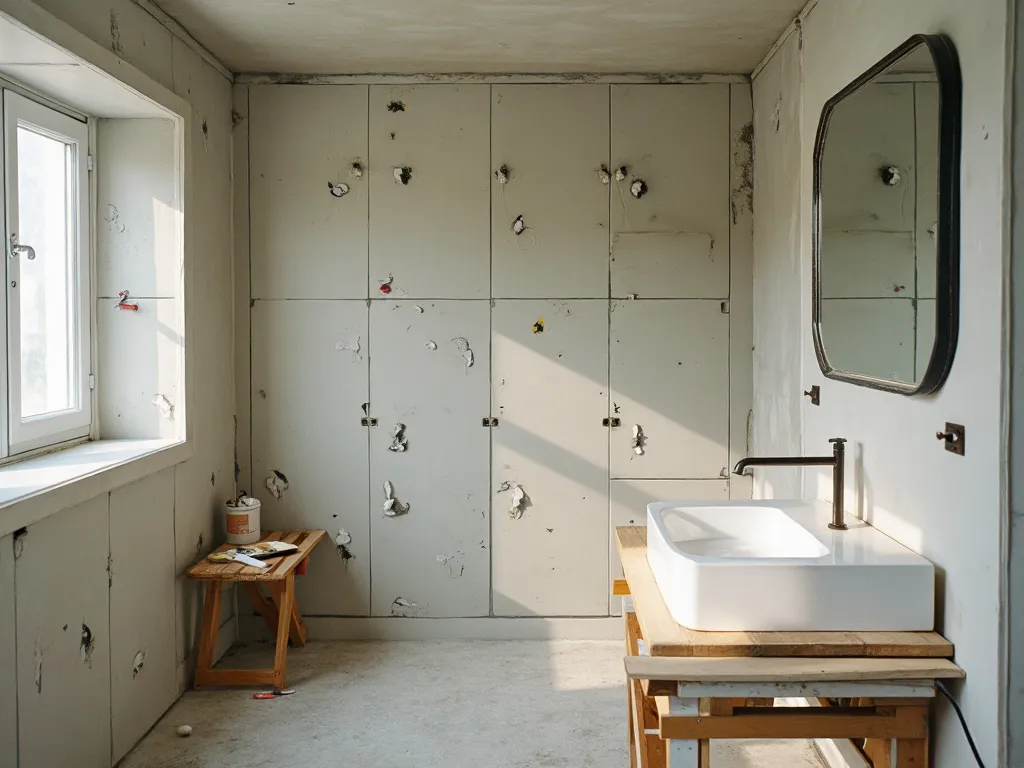
The visible transformation happens during the middle weeks — but what happens before and after often takes longer than the installation itself.
What the weeks are actually spent on
A kitchen renovation timeline isn’t one continuous block of hammering and screwing. It’s a chain of phases, some fast and loud, some slow and invisible, and the gaps between them are where projects lose months. What follows is the shape of those phases and why each one takes as long as it does; if you’d rather see a schedule laid out week by week, a realistic kitchen renovation timeline works through one as an example.
Weeks 1–3: demolition, rough-in, inspections. This is the loud, messy phase. Old cabinets come down, drywall gets torn open, and the new electrical and plumbing lines go in behind the walls. Once the rough work is done, an inspector needs to sign off before the walls can close up. If everything passes — and a lot of projects don’t the first time — you’re looking at three to five days of actual work spread across these weeks. The time is spent waiting.
Weeks 4–8: cabinets, counters, tile, finishes. The visible transformation happens here. But this is also the phase dominated by cabinet delivery. If you ordered custom cabinets during the design phase, they should be arriving now. If you haven’t ordered yet, you’re looking at an eight-to-twelve-week wait, which means your partially demolished kitchen sits idle while you wait. Countertop fabrication adds another couple of weeks — the template happens after cabinets are in, then fabrication, then install.
Weeks 9–12: flooring, paint, trim, punch list. The last phase always expands. Everything looks worse during the work than it will once it’s done. The punch list — the snag list — is that final pass where you go through the room with your checklist and catch the things that didn’t land right the first time: a misaligned cabinet door, a tile grout line that needs attention, a scuff mark on the new counter.
This is where our renovation checklist comes in handy: going through the room systematically at the end so you’re not relying on memory.
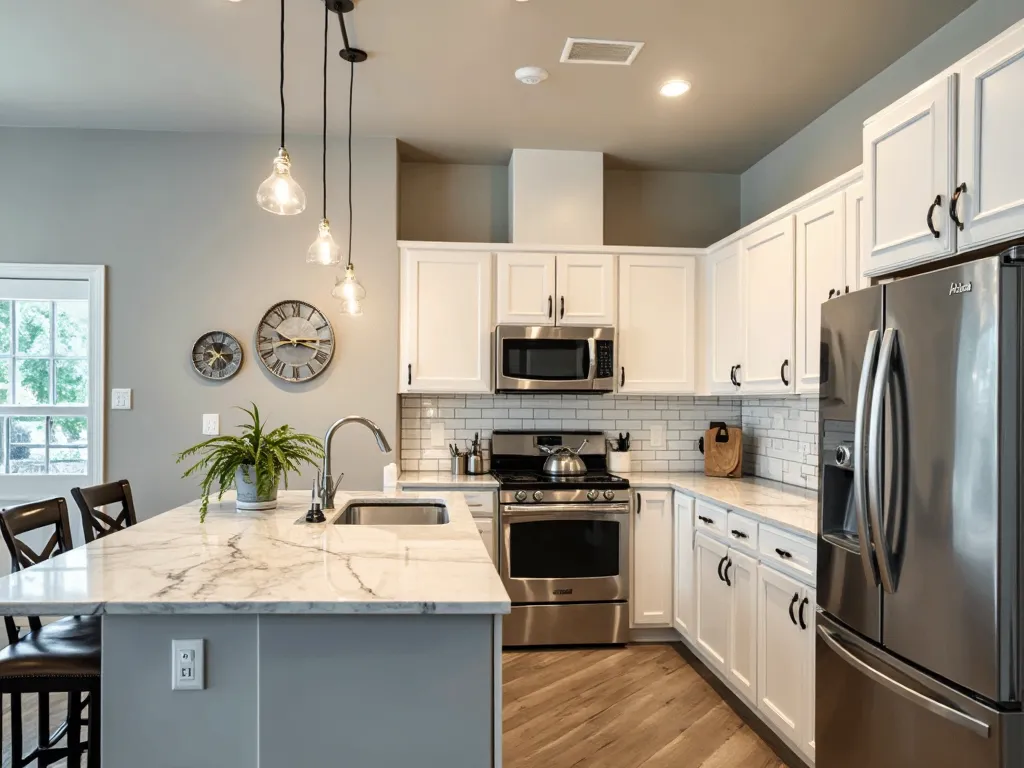
Keeping a running list of what needs to be finished — the snag list — is the difference between a renovation that ends and one that lingers.
What makes a kitchen renovation run long
Every kitchen renovation runs long by at least a little. The question is by how much. The usual suspects:
Cabinet delays. The single biggest source of delay on most projects, and the hardest to control. Custom cabinets take eight to twelve weeks from order to install. Semi-custom is six to eight weeks. Even stock cabinets — the “ready in a week” kind — can get delayed by shipping issues, factory backlogs, or a single wrong measurement that means the whole order has to be remade. Order cabinets during the design phase, not after demo starts.
Unexpected conditions behind walls. This isn’t bad luck; it’s physics. Old houses hide things. Water damage behind the sink. Knob-and-tube wiring the previous owner installed in 1952 — and if that turns out to run through the whole house, you are suddenly asking how long it takes to rewire a house rather than how long the kitchen takes. A load-bearing wall that wasn’t marked on any plan. These only reveal themselves once the drywall comes down. The fix is simple: budget a contingency for surprises, both in time and money, and don’t order materials until you’ve torn into the walls and seen what’s there. This is exactly why keeping a running renovation budget with a healthy contingency built in matters — because the unexpected always arrives, and the question is whether you have a plan for it or not.
Permit and inspection delays. Some municipalities move fast; others take weeks to schedule an inspection, and a failed inspection adds another cycle. The rough-in phase (electrical and plumbing behind the walls) needs to pass inspection before the walls can close. If the inspector shows up and finds something wrong — and inspectors always find something — you’re looking at rework and another appointment.
Design changes mid-project. Someone decides, three weeks into demolition, that they want to move the sink to the opposite wall. The cabinets are already ordered. The plumber has already run the lines. Now everything gets torn out and redone. Lock every decision before the first demo day. If you’re unsure about something, decide during the planning phase, not when the trades are waiting on the floor.
The gap between trades. An electrician won’t start until the plumber is done with their lines. A cabinet installer won’t start until the countertop template is taken. A painter won’t start until every other trade has left. These gaps are invisible on paper but real on the calendar. They’re also the hardest to compress.
The gap problem is why keeping a renovation checklist and a shared project board helps: when everyone knows what’s coming next and what’s blocking them, the gaps shrink by a day or two here and there — enough to matter.
Can you speed it up?
Not really — and anyone who tells you otherwise is selling something. What you can do is reduce the probability of delay by being methodical about the things you control:
-
Lock your design before demo. Every decision — layout, cabinet style, fixture locations, electrical points — should be finalised and, if possible, drawn up before the first wall comes down.
-
Order long-lead items during the design phase. Cabinets first. Then major appliances if they constrain the layout. Everything else can wait.
-
Build buffer weeks into your timeline. Plan for the longer end of the range. If you budget twelve weeks and finish in ten, that’s a win. If you plan for eight and something goes wrong, you’re in a different relationship with the project every day.
-
Get permits approved before you start paying trades. Nothing derails a schedule like an unpermitted renovation getting flagged partway through.
-
Do a walk-through of the existing kitchen with a contractor before committing to a timeline. They’ll see the water damage, the outdated wiring, the load-bearing wall that wasn’t on the plans. They can give you a more grounded estimate than a website can.
-
Track what’s actually happening on site. Not just costs — the decisions, the photos of every stage, the sequence of work. When you’re managing a renovation, a photo and note log is worth its weight in saved arguments. You’ll thank yourself three weeks later when the electrician asks whether the wiring was already moved.
The short answer
A straightforward kitchen refresh takes four to eight weeks on site, all else being equal. A full gut renovation with moved walls and new fixtures takes ten to sixteen weeks. Add four to eight weeks for design and permits before the work starts. That puts most residential kitchen renovations somewhere in the range of three to six months from the first sketch to the final walkthrough.
The spread inside that range isn’t random. It’s determined by how much you move, how old the house is, and whether you order your cabinets before the demo crew walks in.
If you’re planning a kitchen renovation and want to keep track of budget, timeline, and decisions as the work progresses, Home Stories was built for exactly that kind of thing. It’s free on iPhone and iPad, works offline, and keeps budget, tasks, photos, and notes attached to your project — so you’re not hunting through emails and receipts when you need to check what’s changed since last week.
Sources and further reading
The ranges and guidance above are drawn from direct project experience and from the bodies below, which publish the underlying standards, rules and market data. They are worth reading directly before you commit money.
- Building regulations approval — GOV.UK
- How To Avoid a Home Improvement Scam — US Federal Trade Commission
- Housing economics and remodeling market data — National Association of Home Builders
Frequently asked questions
How long does a simple kitchen refresh take?
A refresh that keeps the same layout — replacing cabinets, counters, and flooring without moving plumbing or electrical — typically runs four to eight weeks on site once work begins. The work itself is fast; what eats time is the gap between trades waiting for each other, and the cabinet delivery that can hold up the whole sequence.
How long does a full kitchen renovation take?
A full gut renovation — knocking out walls, moving plumbing and electrical, new cabinets and counters — usually takes ten to sixteen weeks from demo to punch list. If you include the design and permit phase that happens before the first hammer swing, you're looking at an additional four to eight weeks. That puts a full renovation at roughly three to six months from decision to finished room.
What takes the longest in a kitchen renovation?
Cabinet delivery is almost always the longest single wait. Custom cabinets take eight to twelve weeks from order to install; semi-custom runs six to eight weeks. Before cabinets, the most labour-intensive phase is usually demolition and rough-in — but that moves in a matter of days rather than weeks. The timeline stalls at cabinets, not at the work itself.
Can I live in my house during a kitchen renovation?
Yes, most people do. But your kitchen will be partially or entirely nonfunctional during the cabinet and countertop weeks. Without running water or electricity depending on how trades sequence their work, you'll need a plan for cooking — a temporary hot plate in another room, takeout, eating out a couple of times a week. If the renovation moves plumbing or changes the layout significantly, the disruption stretches longer and a temporary kitchen becomes less practical.
What usually causes a kitchen renovation to go over schedule?
Three things account for most overruns. Cabinet delays are the most common and largely outside your control. Unexpected conditions behind walls — old wiring, water damage, structural problems — appear only once the demo starts and can add days or weeks. Permit or inspection delays that hold up the rough-in phase are another real contributor. A smaller but frequent cause is design changes mid-project: someone decides they want a different layout once the cabinets are already ordered.
Should I order cabinets before the renovation starts?
Yes. Cabinet lead times are the single longest lead item on any kitchen renovation timeline. Order as soon as your layout is finalised — ideally during the design phase, before demolition begins. If you order stock cabinets, they may arrive in a week or two. Semi-custom takes six to eight weeks. Custom can take twelve weeks or more. If your contractor starts demolition before your cabinets arrive, you're paying for idle labour or sitting in a partially demolished kitchen that you can't use — both expensive.
Keep reading
How to Plan a Home Renovation: 6 Phases from Idea to Handover
How to plan a home renovation — 6 phases from inspiration to handover, with what to track and watch for at each stage.
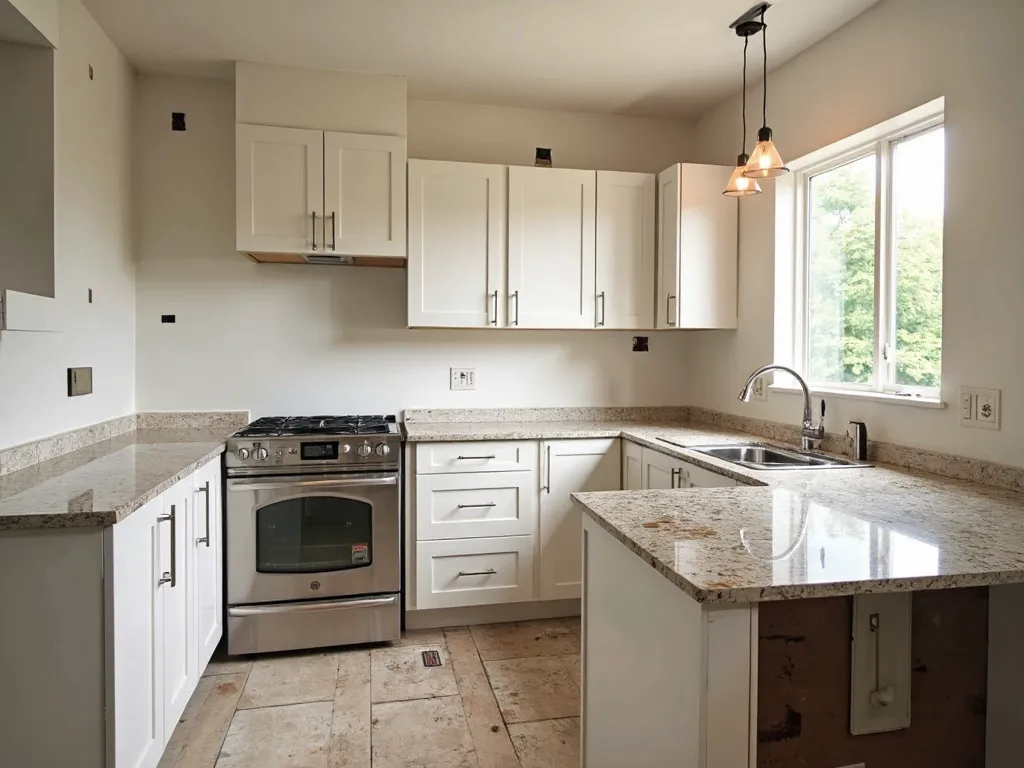
Kitchen Renovation Timeline: 8 Phases from Design to Handover
Kitchen renovation timeline — 8 realistic phases from design through to handover, with budget tips for each stage.
Renovation Checklist Printable: Your Complete Step-by-Step Guide
Renovation checklist printable — a complete step-by-step renovation checklist you can use to plan and track every phase.