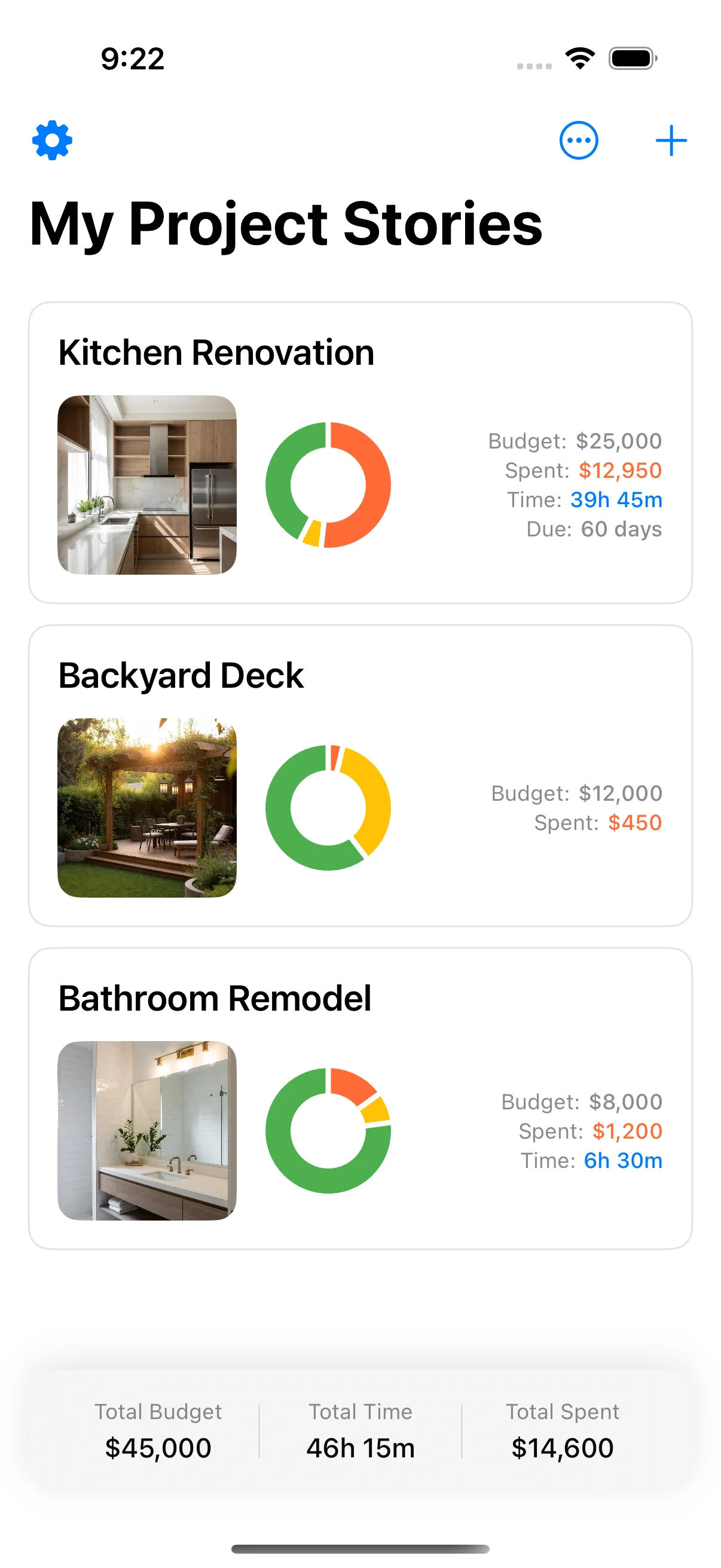
How Long Does It Take to Install Flooring? Realistic Ranges by Type
Most flooring takes one to three days of actual installation per room, but anywhere from four days to five weeks from order to walking on it. The gap is acclimation, removing the old floor, levelling the subfloor and cure time. Laminate and LVP are quickest; solid hardwood is slowest by a wide margin.
At a glance
| Flooring type | Active install time | Total elapsed time | What the waiting is for |
|---|---|---|---|
| Laminate and LVP | 1–2 days per room | 4–7 days | Acclimation, old-floor removal |
| Engineered wood | 1–2 days | A few days | 48–72 hours acclimation |
| Tile | 2–3 days | 1–2 weeks | Mortar set, then 24–72 hours grout cure |
| Solid hardwood | 3–5 days | 3–5 weeks | Acclimation, sanding, drying between finish coats |
The floor you’re walking on today was probably installed by someone who measured the room twice, checked the subfloor condition, and then spent one or two days putting planks or tiles down. That install window is easy to picture.
The thing people don’t picture is everything before the first plank hits the subfloor — and everything after the last cut that locks into place. Between the time you decide you want new flooring and the time you actually move furniture back in, you’re looking at a timeline measured in weeks, not days.
Here’s what that timeline actually looks like, broken down by floor type, and the delays that consistently push projects past the original estimate.
The two timelines that matter
Every flooring project has two clocks running at once. One is the install clock — the number of days the crew is actually on the floor, tools out, working. This is what contractors quote you: “two days for the living room.”
The other is the elapsed clock — the total wall-clock time from the day you decide to do it to the day you can put your furniture back. This is what matters for your life, your kitchen situation, which rooms you can use, when the rest of the renovation can happen.
The install clock is usually right. The elapsed clock is always longer, and the difference is where most people get caught out.
Laminate and LVP: the fastest category
Laminate and luxury vinyl plank (LVP) share a lot of DNA. Both are floating floors that click together, both go down relatively fast, and both are the most popular choice for DIYers and budget-conscious renovators.
Install time: one to two days per room. That’s the active labour. One person can manage a single room in a few hours. Two people speed it up noticeably.
Elapsed time: four to seven days. Here’s why:
The old flooring comes up first — carpet with tack strips and padding, or sheet vinyl glued to the subfloor. That removal takes a surprising amount of time. Carpet pulls up quickly enough, but the tack strips, the old nails, and the padding that’s been glued down for ten years are a different matter. Sheet vinyl is often glued solidly and needs scraping, which means heat guns, scrapers, and elbow grease.
After demo comes subfloor inspection. Laminate and LVP need a flat surface. If the existing subfloor has humps, dips, or loose boards — and most floors found during a renovation do — you need to level it. Self-leveling compound is fast to pour but slow to cure. If the subfloor is plywood with screw pops, those need to be driven down or replaced before anything goes down. That can take half a day to a full day depending on how bad it is.
Then there’s acclimation. Laminate specifically needs to sit in the room for forty-eight hours before installation so the fibres can adjust to the humidity. LVP is more forgiving but still benefits from sitting in the room for a couple of days. This isn’t optional — skip it and you’ll see planks cup or gap later.
The kitchen renovation timeline covers how flooring fits into the broader sequence of a renovation. Flooring often comes at the end of the hard trades — after demo, after plumbing and electrical work, after plaster and paint. Knowing when your flooring fits into that sequence matters more than the install time itself.
Tile: two active days spread across a week
Tile has the longest spread between the first step and the last, even though the active labour is moderate.
Install time: two to three days of active labour. Layout and marking take a few hours. Setting the tiles with mortar takes one to two days — longer for large-format tiles, which need special layout tools and more careful handling. Grouting comes after the mortar has set, about half a day to a full day. If you’re sealing the grout (which you should, for most installations), that’s another half day.
Elapsed time: one to two weeks. The delay isn’t in the work; it’s in the curing. Grout needs time to cure before you can walk on it — twenty-four to forty-eight hours for light foot traffic, seventy-two hours for normal use. If you’re resealing grout, that needs another waiting period. Furniture can’t go back on a freshly grouted floor for a week or more, and you’ll want to wait before putting rugs down or moving heavy items across it.
Tile also has the highest risk of surprises once you start. Behind old bathroom tile, you often find moisture damage that needs repair before new tile goes down. A subfloor that’s bowed or flexible in places can’t hold tile — you need to reinforce it, which adds demolition and repouring time.
Solid hardwood: the longest overall
Solid hardwood is the most labour-intensive flooring option, and the timeline reflects that.
Install time: three to five days of active labour, but spread across several weeks.
Here’s the breakdown. First, the wood needs to acclimate in your home — several days to a full week, depending on the product, the wood species, and the climate difference between where it was stored and where it’s going. Installers usually deliver and let it sit.
Then comes the installation. Nail-down hardwood for a typical room takes one to two days. Sanding takes another full day — the whole floor gets sanded down to bare wood, which means you can’t walk on it, and the dust is everywhere. You need shop vacuums running in the rest of the house to keep it contained.
Finishing is where the timeline stretches out. Most hardwood floors get two to three coats of finish. Each coat needs twenty-four hours to dry before the next one goes on. So sanding and the first coat might happen on Monday, the second coat goes on Wednesday, and the third coat on Friday. Light foot traffic might be possible after the second coat (around day three), but real furniture doesn’t go back for a full week.
Total elapsed time from order to walking-on-floor: three to five weeks. Most of that is waiting — waiting for the wood to acclimate, waiting for finish to dry, waiting between coats. The actual hands-on labour is maybe four days total.

Engineered wood: the middle ground
Engineered wood sits between solid hardwood and LVP in every way — speed, cost, and the kind of person who chooses it.
Install time: one to two days. Most modern engineered floors are click-lock and pre-finished, which means no sanding, no finishing, no waiting for coats to dry. The floor goes down and it’s done.
Elapsed time: a few days. Acclimation is shorter than solid hardwood — usually forty-eight to seventy-two hours, but always check the manufacturer’s instructions. The rest is the same old-floor removal and subfloor prep.
The main advantage of engineered wood for timeline purposes is that it skips the finish cycle entirely. If you need a room back quickly, engineered is often the best choice for that reason alone.
What nobody plans for: the hidden delays
Every flooring project runs into at least one of these, and they’re the reason the elapsed timeline always beats the quoted one:
Removing the old floor. This is the most common timeline killer. Homeowners budget a day for it. A professional crew budgets a day for it. When the old carpet lifts cleanly, great. When the old LVP was glued down in 2015 with industrial adhesive, that day becomes three. Tile removal on a mortar bed is worse still — it’s controlled demolition.
An uneven subfloor. You’ll know when you rip up the old flooring and find a floor that undulates like water. Leveling compound is fast to mix and pour but slow to cure. A room that looks flat from the surface often has dips deeper than the tolerance for your new flooring. Fixing it means more prep, more drying time, and a later install date.
The finish cure. This is the one that surprises people most. The crew finishes sanding and sealing on a Friday. They tell you to wait a few days. You think that means Sunday. It means next week — sometimes two weeks, depending on the finish and the humidity in the house. You can’t put furniture back, and you can’t put rugs down, and in the middle of a renovation that locked-down one room is a problem.
What happens behind the floor. Especially in older homes, you’ll find things once you rip up the old flooring — water damage from a long-repaired leak, rot in the subfloor joists, outdated wiring that needs to be dealt with before new flooring covers it. The bathroom renovation sequence has a similar lesson: what you find behind the surfaces is what actually determines the schedule.
Moving furniture. It sounds trivial until you have a king-sized bed in the room. Moving furniture in and out takes a half day minimum for a big piece. If you’re doing the whole house and need the rooms to be livable in sequence, the moving becomes a recurring time sink.
How to get your flooring done faster
The things that speed up a flooring project are almost all pre-project:
Lock the design early. Ordering flooring and waiting until the last minute is the single biggest self-inflicted delay. Order the flooring as soon as you know what you want, and keep it in the house for the required acclimation period. If you’re doing other renovation work at the same time, plan the flooring install after the dusty trades (demolition, drywall, paint) and before the finish trades. The kitchen renovation timeline lays out a week-by-week example of how flooring fits into that sequence.
Prep the subfloor in advance. If you suspect the subfloor needs work, do the leveling or repairs before the flooring crew arrives. Having a flat, clean, dry subfloor waiting for them means they can start installing on day one instead of spending their first day doing prep.
Move furniture beforehand. Get the furniture out of the room before the install starts. Having the crew walk into a cleared room means they start working immediately instead of spending half a day moving things around.
Plan around the cure, not the install date. If you’re scheduling a move-in, or planning to have the rest of the renovation happen in sequence, build in the full curing time — not just the install days. A hardwood floor that takes three days to install is actually a five-day project from the crew’s first arrival to your last furniture run.
When to hire a pro versus DIY
Click-lock LVP and laminate are genuinely DIY-friendly. The tools you need are a tape measure, a utility knife, a tapping block, and a saw for cutting planks. A motivated person with a weekend and a clear head can do a single room.
Hardwood installation requires a nail gun, an air compressor, and experience reading a room for layout and stagger patterns. Finishing requires sanding and finishing skills that most people simply don’t have.
Tile is a trade. Understanding layout math, mortar mixing, cutting angles, grouting technique, and knowing when your subfloor is flexible enough to crack the tiles — it’s all learnable but not something you want to discover through trial and error on your own floor.
The DIY versus hiring a contractor post has a practical framework for deciding, and it applies here too: if you can see yourself making a mistake that costs more than the pro’s fee, the pro is the right call. With flooring, a bad LVP install is annoying (gaps, uneven transitions, visible seams). A bad hardwood or tile install is expensive to fix and may require ripping it all up.
The bottom line
For a typical room, the active labour is one to three days depending on floor type. The elapsed time from decision to done is a few days for click-lock products to three to five weeks for solid hardwood, and the spread is determined by acclimation, old-floor removal, subfloor prep, and finish curing — the things nobody mentions in the initial conversation with the contractor.
If you’re planning a renovation at all, keeping a record of when each decision is made and when each phase starts helps enormously. Planning a home renovation step by step walks through the full sequence and shows where flooring fits in. And if you want a simple way to track all the moving parts — what’s ordered, what’s installed, what’s waiting to cure — Home Stories keeps the timeline, budget, and decisions for a project in one place on your phone.
The floor will be done when it’s done. The people who manage to finish on schedule are the ones who planned for the delays, not the ones who optimistically ignored them.
Sources and further reading
The ranges and guidance above are drawn from direct project experience and from the bodies below, which publish the underlying standards, rules and market data. They are worth reading directly before you commit money.
- Wood flooring installation and acclimation standards — National Wood Flooring Association
- Renovation, Repair and Painting (RRP) rule — lead-safe work — US Environmental Protection Agency
Frequently asked questions
How long does it take to install laminate flooring?
A straightforward laminate install in a typical room — moving furniture, laying underlayment, and clicking the planks together — usually takes one day for an experienced installer. Two people can do a single-room job in a few hours. But if you're removing old carpet and the subfloor needs leveling, add another day or two for prep. Laminate also needs to acclimate in the room for forty-eight hours before installation, so plan for two days from opening boxes to walking on the floor.
How long does it take to install LVP (luxury vinyl plank) flooring?
LVP is one of the faster flooring options. A typical room takes one to two days including moving furniture and prepping the subfloor. The installation method matters — glue-down or click-lock LVP can go down quickly, while loose-lay needs a perfectly flat subfloor or it will telegraph every bump. Like laminate, LVP benefits from acclimation time, though many modern click-lock products don't require formal acclimation if they've been sitting in the room for a couple of days. The real delay is usually the old flooring removal and any subfloor repairs underneath.
How long does it take to install hardwood flooring?
Solid hardwood is the most labour-intensive option and the longest timeline. Before any planks go down, the wood needs to acclimate in the house for several days to a full week depending on the product and the climate. The actual nail-down installation of a typical room takes one to two days. Sanding and finishing — which is what gives the floor its final look — adds another one to two days of labour. But here's the part people forget: each coat of finish needs to dry before the next one goes on. That's twenty-four hours per coat, minimum, and most floors get two to three coats. So from the day the crew starts sanding, you're looking at four to seven days before you can walk on the floor normally. A full hardwood project from order to done typically spans three to five weeks.
How long does it take to install tile flooring?
Tile work is a sequence of distinct steps, and most of them require waiting. Layout and marking the room: a few hours. Laying the mortar bed and setting tiles: one to two days for a typical room, longer for large-format tiles which need special handling. Grouting: half a day to a full day, once the mortar has cured. Sealing (if required): another half day. Then you need to wait before walking on it — at least twenty-four to seventy-two hours for the grout to cure enough for light foot traffic, and up to a week before furniture goes back. A straightforward tile install in a bathroom or small kitchen usually requires two to three days of active labour spread across a week.
What takes the longest when installing new flooring?
Three things consistently take longer than homeowners expect. Removing the old flooring — especially glued-down vinyl, carpet with tack strips, or tile on a mortar bed — can take as long as installing the new floor. An uneven subfloor found after demo is the second surprise; leveling a floor that's twisted or sagging is time-consuming and messy. Third is the finish curing on hardwood floors: the crew might sand and seal on day one, but you can't put furniture back for several more days. People plan around the install date and forget about the curing date.
Can I install flooring myself or should I hire a pro?
Click-lock LVP and laminate are the most DIY-friendly. A motivated person can do a single room in a weekend. The work is physically demanding but technically straightforward — measure, cut, click, repeat. Hardwood installation requires a nail gun, experience reading a room for layout, and finishing skills that most people don't have. Tile requires understanding layout math, mortar mixing, cutting wet tile, and grouting technique. If those don't sound comfortable, hiring a pro is the right call. The question of DIY versus hiring for a contractor comes up again and again — the answer depends entirely on which flooring type and how much you value your evenings.
How long does it take to install engineered wood flooring?
Engineered wood sits between solid hardwood and LVP in terms of speed. It installs faster than solid because most modern engineered floors are click-lock rather than nail-down, and they don't need sanding or finishing — they come pre-finished from the factory. A typical room takes one to two days for an installer. The main timeline factor is acclimation: check the manufacturer's instructions, but most engineered woods need forty-eight to seventy-two hours sitting in the room before install. The total elapsed time from opening boxes to done is usually a few days.
Keep reading
How Long Does a Bathroom Renovation Take? Realistic Ranges by Scope
How long does a bathroom renovation take? Realistic time ranges for a refresh through a full gut, plus the delays that always creep in.
How Long Does It Take to Rewire a House? Realistic Time by Size
How long does it take to rewire a house? The realistic timeline, what makes it run long, and how to plan around the delays.
How to Plan a Home Renovation: 6 Phases from Idea to Handover
How to plan a home renovation — 6 phases from inspiration to handover, with what to track and watch for at each stage.